
Yes, paint protection film (PPF) can significantly reduce the risk of premature clear coat failure by limiting UV exposure, moderating heat buildup, and absorbing environmental damage before it reaches the paint. While it does not make your finish immune to aging, it meaningfully slows the degradation process and helps preserve both gloss and structural integrity over time.
What Clear Coat Failure Really Means
Clear coat failure is not just cosmetic, it’s a breakdown of the top protective layer in your vehicle’s paint system. This transparent layer is responsible for gloss, depth, and environmental resistance. When it degrades, the underlying color coat becomes vulnerable.
Common indicators include:
- Loss of gloss or a cloudy appearance
- Peeling or flaking in advanced stages
- Uneven fading or discoloration
- Increased sensitivity to contaminants
Once failure begins, correction options are limited. In most cases, repainting is the only permanent solution, which is why prevention carries more value than repair.
Why Heat and UV Exposure Accelerate Damage
The two biggest contributors to clear coat degradation are ultraviolet radiation and sustained heat. UV rays break down the chemical bonds in the clear coat, while heat accelerates oxidation and expansion cycles.
Primary stress factors:
- UV radiation causing photodegradation
- Thermal cycling from daily temperature swings
- Humidity and salt accelerating oxidation
- Organic contaminants creating chemical etching
During a recent inspection for a client in Lakewood Ranch, vehicles left outdoors year-round showed noticeably earlier signs of oxidation compared to garage-kept counterparts. The difference wasn’t subtle, it was structural.
What Paint Protection Film Actually Does
Paint protection film is a thermoplastic urethane layer applied over painted surfaces. It is engineered to act as a sacrificial barrier, taking damage so your paint doesn’t.
Key specifications:
- Material: Flexible thermoplastic urethane (TPU)
- Thickness: Typically between 6 and 10 mils
- UV inhibitors: Integrated into the film
- Self-healing properties: Heat-activated surface recovery
- Finish options: Gloss, satin, or matte
This combination allows the film to absorb impacts, resist staining, and reduce environmental stress on the clear coat underneath.
How PPF Slows Clear Coat Failure
PPF doesn’t stop time, but it changes how your paint ages.
Protection mechanisms:
- UV filtration
The film reduces UV penetration, slowing oxidation and fading. - Heat dispersion
Instead of heat concentrating directly on the clear coat, the film distributes it across its surface. - Chemical resistance
Contaminants like bird droppings and bug residue interact with the film rather than the paint. - Impact absorption
Small chips and abrasions are absorbed by the film, preventing exposure points.
In Palmer Ranch, a vehicle with partial front-end PPF retained significantly more clarity and gloss on protected panels after prolonged exposure, while unprotected sections showed early dulling.
Strategic Coverage: Where PPF Matters Most
Not every surface requires full coverage to see benefits. The effectiveness of PPF depends heavily on where it’s applied.
High-risk areas:
- Front bumper and hood edge
- Side mirrors
- Door handle cups
- Lower rocker panels
Full-body applications:
- Provide uniform protection
- Prevent uneven aging
- Offer the highest long-term value
For drivers researching paint protection film in Sarasota, FL, deciding between partial and full coverage often comes down to driving habits and exposure levels.
PPF vs. Ceramic Coating: Not the Same Tool
There is frequent confusion between PPF and ceramic coatings, but they serve different roles.
PPF provides:
- Physical protection from impacts
- UV resistance
- Self-healing surface
Ceramic coatings provide:
- Water repellency
- Easier cleaning
- Enhanced gloss
They are often combined, but one does not replace the other.
Common Misconception: “PPF Eliminates Maintenance”
This is one of the most persistent myths in the industry, and it leads to avoidable issues.
PPF reduces maintenance intensity, but it does not remove the need for care.
Reality:
- Dirt and minerals still accumulate
- Water spots can form on the film
- Neglect can reduce clarity over time
In Siesta Key, a vehicle with improperly maintained PPF developed visible spotting that required correction. The film was still intact, but the performance had declined due to neglect.
Installation Quality Determines Performance
Even the highest-grade film will underperform if installed poorly. Precision during installation directly impacts longevity and effectiveness.
Critical factors:
- Proper surface decontamination
- Accurate film alignment
- Edge wrapping to prevent lifting
- Controlled curing conditions
Choosing a skilled installer is not optional, it’s foundational.
Maintenance Best Practices
Maintaining PPF is straightforward but must be consistent.
Recommended approach:
- Hand wash with pH-neutral soap
- Use clean microfiber towels
- Avoid abrasive cleaning methods
Avoid:
- Automatic brush car washes
- Harsh chemicals
- High-pressure spraying near edges
Drivers exploring paint protection film sarasota often underestimate maintenance, but consistent care is what preserves the film’s clarity and function.
Does PPF Completely Prevent Clear Coat Failure?
No, but it significantly delays it.
Think of PPF as a risk reduction system rather than absolute protection.
What it does well:
- Slows oxidation
- Reduces environmental exposure
- Maintains visual clarity longer
What it cannot do:
- Stop aging entirely
- Repair existing damage
- Replace proper maintenance
When to Install Paint Protection Film
Timing plays a major role in effectiveness.
Best-case scenarios:
- Immediately after purchasing a new vehicle
- After professional paint correction
- Before prolonged outdoor exposure
Applying film early ensures that the clear coat is protected before damage begins.
Cost vs. Long-Term Value
PPF is often viewed as an expense, but it functions more like an investment.
Long-term benefits:
- Avoid repainting costs
- Maintain higher resale value
- Reduce the need for frequent corrections
Many buyers researching Sarasota, FL, paint protection film focus on upfront pricing, but the long-term savings often outweigh the initial cost.
Real-World Usage Trends
Interest in protective solutions continues to grow as more drivers understand the environmental impact of modern paint systems. Search behavior around Sarasota, paint protection film shows increasing awareness of long-term vehicle preservation rather than short-term aesthetics.
This shift reflects a broader trend: vehicle owners are thinking in terms of lifecycle protection, not just appearance.
In Summary
Paint protection film is one of the most effective ways to slow clear coat degradation. By reducing UV exposure, buffering heat, and shielding against contaminants, it directly addresses the main causes of premature failure.
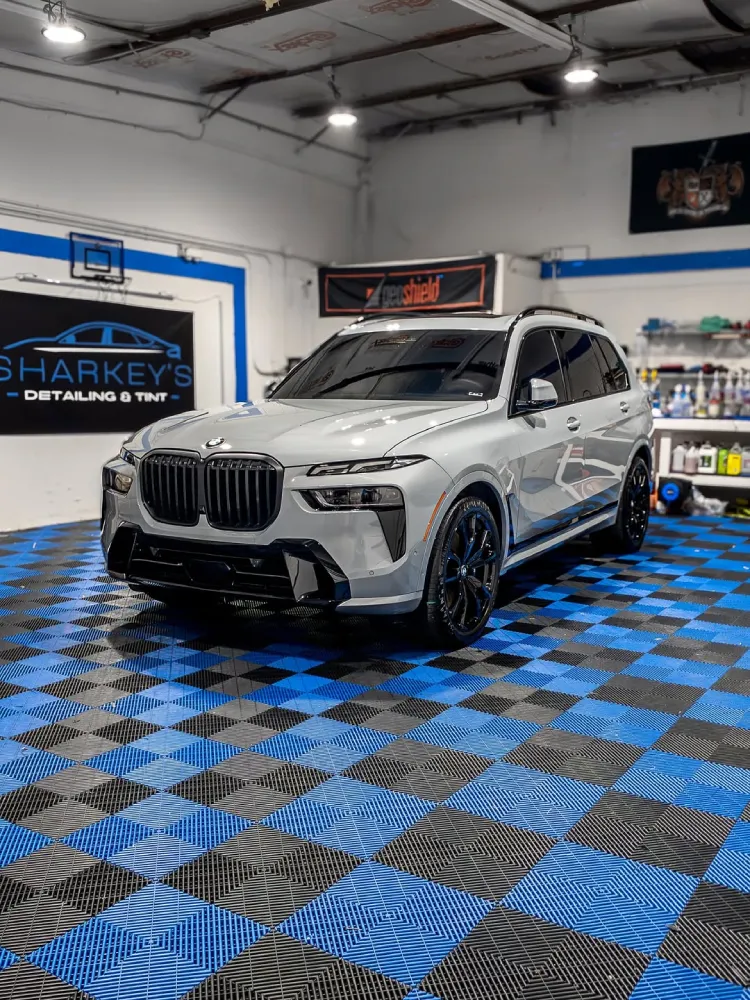
It’s not a permanent shield, but it is a measurable advantage. When installed correctly and maintained properly, it extends both the lifespan and appearance of your vehicle’s finish. Providers like Sharkey’s Detailing & Tint LLC deliver solutions designed to improve protection quality and long-term finish durability.
Protect Your Vehicle the Right Way
If you’re serious about preserving your paint and avoiding premature failure, the next step is choosing the right installation strategy.
Contact us today to discuss a tailored PPF solution. Whether you need targeted protection or full coverage, you’ll get precise work and clear expectations, built for long-term results.
People Also Ask
Q: Does paint protection film turn yellow?
A: High-quality films are designed with anti-yellowing properties and remain clear under normal conditions.
Q: Can PPF be safely removed?
A: Yes, when removed correctly, it does not damage the original paint.
Q: How long does PPF last?
A: Most films last between 5 and 10 years, depending on exposure and maintenance.
Q: Is PPF worth it for daily drivers?
A: Yes, especially for vehicles exposed to the sun, debris, and frequent use.
Q: Can older vehicles get PPF?
A: Yes, but paint correction is recommended beforehand for best results.