
Yes, paint correction can improve trade-in appraisal values by restoring your vehicle’s exterior finish, eliminating visible defects, and increasing perceived resale readiness. Because dealerships factor in reconditioning costs and first impressions, a properly corrected vehicle often earns stronger offers and gives you better negotiating leverage.
What Is Paint Correction? A Practical, Buyer-Focused Definition
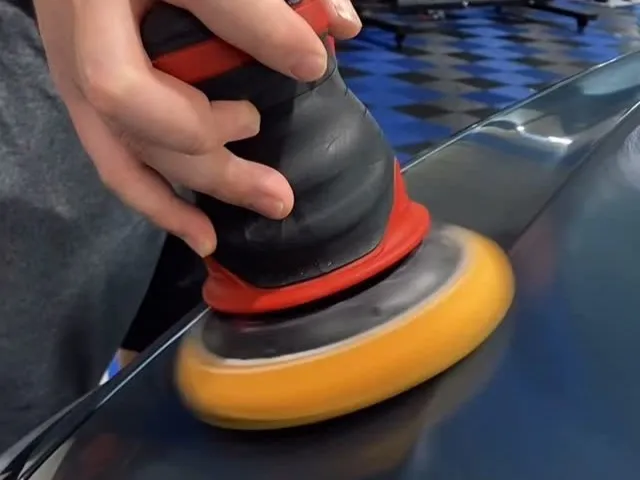
Paint correction is a specialized detailing process that removes imperfections from a vehicle’s clear coat through machine polishing. Unlike a simple wash or wax, it addresses the root of visual defects restoring clarity, depth, and reflectivity.
For trade-ins, this matters because your vehicle’s exterior condition directly influences how dealers estimate resale potential.
Key Features and Specifications
Definition List:
- Swirl Mark Removal
Eliminates fine circular scratches typically caused by improper washing techniques. - Oxidation Correction
Restores faded or dull paint affected by sun exposure. - Light Scratch Reduction
Minimizes surface-level scratches without repainting. - Gloss Enhancement
Improves reflectivity, making the paint appear deeper and richer. - Clear Coat Leveling
Smooths microscopic inconsistencies for a uniform finish. - Surface Decontamination
Removes embedded contaminants before polishing begins.
How Dealership Appraisals Actually Work
To understand why paint correction impacts value, you need to understand how dealers think. Trade-in appraisals are not just about mileage or engine condition; they’re also about profit margin and resale efficiency.
Core Appraisal Factors
- Exterior Condition – First impressions and visible defects
- Interior Condition – Cleanliness and wear
- Mechanical Health – Reliability and service history
- Market Demand – Vehicle desirability in the current market
- Reconditioning Costs – What the dealer must spend to resell
If your car shows visible paint damage, the dealer assumes they’ll need to fix it—and deducts that cost from your offer, often with additional markup.
Paint Correction vs. No Correction
| Factor | Without Correction | With Correction |
| Visual Appeal | Dull, scratched | Glossy, like-new |
| Dealer Deduction | High | Reduced or eliminated |
| First Impression | Negative | Positive |
| Negotiation Leverage | Weak | Strong |
| Appraisal Outcome | Lower | Higher potential |
Paint correction improves perceived condition, reduces dealer deductions, and strengthens your negotiating position.
Real-World Impact: What Changes After Correction
From professional detailing experience, the transformation after paint correction is not just visual; it’s financial.
- Vehicles appear closer to retail-ready condition
- Appraisers spend less time identifying flaws
- Dealers perceive lower risk
- Offers align more closely with true market value
During a recent pre-trade-in preparation in Siesta Key, a client’s SUV went from visibly dull to highly reflective after correction. The dealership’s appraisal shifted accordingly, reflecting greater confidence in the vehicle’s resale potential.
When Paint Correction Delivers the Best ROI
Not every vehicle requires full correction, but certain scenarios benefit significantly.
Ideal Situations
- Vehicles less than 10 years old
- Dark-colored paint (shows defects more clearly)
- Lease returns with condition penalties
- Luxury or high-end vehicles
- Cars with visible swirl marks or oxidation
In Lakewood Ranch, a premium sedan underwent a two-step correction that elevated its appearance to match its market segment, helping justify a stronger trade-in offer.
Types of Paint Correction Services Explained
1. One-Step Correction
- Light polishing process
- Targets minor imperfections
- Best for well-maintained vehicles
2. Two-Step Correction
- Compounding followed by polishing
- Removes moderate defects
- Ideal for trade-in preparation
3. Multi-Step Correction
- Advanced restoration process
- Addresses deeper imperfections
- Best for high-value or collector vehicles
Each level offers a different balance between cost and visual improvement, making professional assessment essential.
Cost vs. Value: A Strategic Investment
| Correction Level | Typical Investment | Value Impact |
| One-Step | Lower | Moderate improvement |
| Two-Step | Mid-range | Strong return |
| Multi-Step | Higher | Maximum (premium cases) |
In many cases, dealerships deduct more for visible defects than what you would spend on correction, making it a practical investment rather than a cosmetic luxury.
Industry Myth Debunked: “Dealers Don’t Care About Paint Condition”
This is one of the most common and costly misconceptions.
The Truth
Dealers care deeply about paint condition because:
- It affects how quickly the vehicle sells
- Cosmetic flaws reduce buyer interest
- Reconditioning cuts into their profit margin
A scratched or dull vehicle signals neglect, even if mechanically sound.
In Palmer Ranch, a vehicle owner initially believed cosmetic work wouldn’t matter. After completing paint correction, the dealership’s evaluation became noticeably more favorable, demonstrating how perception drives pricing.
Why Professional Paint Correction Outperforms DIY
While DIY kits are widely available, they rarely deliver the same results—and can introduce risk.
Professional vs. DIY Comparison
| Factor | DIY Approach | Professional Service |
| Equipment | Basic tools | Commercial-grade |
| Skill Level | Limited | Trained expertise |
| Risk | High | Controlled |
| Results | Inconsistent | Predictable, refined |
Professional detailers, such as the team at Sharkey’s Detailing & Tint LLC, follow structured correction processes designed to maximize results while preserving paint integrity.
The Psychology Behind Higher Appraisals
Trade-in appraisals are influenced by perception as much as data. A clean, glossy vehicle communicates:
- Careful ownership
- Lower risk of hidden issues
- Immediate resale readiness
These signals shape how appraisers evaluate your vehicle, and how much they’re willing to offer.
Step-by-Step Trade-In Preparation Strategy
To maximize your vehicle’s value, follow a structured approach:
- Thorough exterior wash
- Paint decontamination (clay or chemical)
- Professional paint correction
- Protective sealant or coating
- Interior detailing
This process ensures your vehicle presents at its highest possible standard.
Why Expertise Matters in Paint Correction
Experience and process consistency are critical when preparing a vehicle for trade-in.
Sharkey’s Detailing & Tint LLC emphasizes:
- Proven correction techniques
- Paint-safe methodologies
- Consistent, high-quality results
- Customer-focused service
For those researching paint correction in Sarasota, FL, working with an experienced provider ensures that the results translate into real appraisal value, not just visual improvement.
Long-Term Value Beyond Trade-In
Paint correction isn’t just about immediate resale, it also contributes to long-term vehicle value.
Ongoing Benefits
- Preserves original factory paint
- Reduces long-term degradation
- Enhances the effectiveness of protective coatings
- Maintains higher resale value over time
Exploring options such as paint correction in Sarasota can help vehicle owners protect their investment and improve their current market positioning.
Choosing the Right Paint Correction Approach
Not all vehicles need aggressive correction. The right solution depends on:
- Paint condition
- Vehicle age
- Market category
- Budget and timeline
If you’re considering services such as Sarasota, FL, paint correction, a professional evaluation will help determine the most cost-effective approach.
In Summary
Paint correction is one of the most effective ways to improve your vehicle’s trade-in value without major investment. By enhancing appearance and reducing perceived risk, it positions your car for a stronger appraisal and smoother negotiation. Services like those offered by Sharkey’s Detailing & Tint LLC are specifically geared toward delivering that kind of visual and market impact.
Ready to Maximize Your Trade-In Value?
Don’t let preventable cosmetic issues reduce your vehicle’s worth. Contact us today to schedule a professional paint correction service and ensure your vehicle makes the best possible impression at appraisal time.
People Also Ask
Does paint correction increase trade-in value?
Yes. It improves appearance, reduces dealer deductions, and increases perceived resale value.
Is paint correction worth it before trading in a car?
In most cases, yes, especially if the vehicle has visible paint defects.
How long does paint correction last?
Results can last months to years, depending on maintenance and protection.
Will dealerships notice paint correction?
Yes. A professionally corrected finish is immediately visible and affects the appraisal’s perception.
Is repainting better than paint correction?
For minor to moderate defects, no. Paint correction preserves original paint, which is preferred for resale.