
If your car has flooded, avoid starting the engine. Turning it on while water remains inside can lead to serious mechanical and electrical damage. Begin by disconnecting the battery, removing excess water, and checking the vehicle’s condition before contacting a qualified professional. Taking prompt action and avoiding further damage can help reduce repair costs and improve the chances of a successful restoration.
Immediate Safety Steps After a Flooded Car
When dealing with a flooded car, safety is the absolute priority. Water inside the vehicle can hide hazards that put you at risk. Follow these steps immediately and consider consulting professionals for car detailing in Sarasota.
- Ensure Personal Safety
Exit the vehicle carefully, avoiding standing water that could carry electrical currents or debris. Make sure you are on dry ground before assessing the car.
- Disconnect the Battery
Disconnecting the battery prevents potential short circuits or electrical fires, which are common when water reaches internal wiring.
- Assess Water Damage
Check how much water entered the cabin. Determine whether it reached the engine, dashboard electronics, or other critical systems. The depth of water can indicate how severe the potential damage is.
Comparing DIY vs Professional Flood Recovery
Flooded cars require careful evaluation. You can try a DIY recovery, but professionals offer expertise that prevents hidden damage. The table below highlights the differences:
| Aspect | DIY Approach | Professional Mechanic Approach |
| Cost | Lower upfront costs | Higher cost due to labor and diagnostics |
| Effectiveness | Limited; may miss hidden issues | Thorough inspection of the engine, transmission, and electronics |
| Time | Faster initially, but may take longer if issues arise | Longer process upfront, but prevents future failures |
| Risk | Higher chance of permanent damage | Reduced risk with trained technicians |
During a recent assessment for a client in Sarasota, FL, even minor water exposure caused latent electronic issues that would have gone unnoticed without a professional inspection. This emphasizes the importance of understanding the risk before attempting a DIY fix.
Step-by-Step Recovery Checklist
Following a structured checklist ensures nothing is overlooked:
- Do Not Start the Car
Even if the car seems fine, starting the engine can introduce water into critical systems, causing warped cylinders, catalytic converter damage, or electrical shorts. - Remove Excess Water
Use absorbent materials, such as towels or a wet/dry vacuum, to extract standing water from seats, carpets, and floor mats. - Dry the Interior
Remove carpets, seat cushions, and panels to allow airflow. Using fans or opening doors can accelerate drying and reduce the risk of mold or mildew. - Check Fluids
Inspect oil, transmission, brake, and coolant fluids for water contamination. Cloudy fluids indicate the need for replacement or flushing. - Inspect Electrical Systems
Water can damage sensors, wiring, and onboard electronics. Examine lights, dashboard controls, and engine sensors carefully. - Professional Inspection
Schedule a mechanic to check the engine, transmission, and electronic control units. Even small amounts of water can cause long-term issues if left unchecked.
Many residents in Sarasota, FL, trust professional guidance after flood events because timely inspections reduce the chances of recurring mechanical problems.
Debunking a Common Industry Myth
Myth: “If the car starts after a flood, it’s fine.”
Truth: Even if a flooded car turns on, water can silently damage electronics, sensors, and the transmission. Latent corrosion or contaminated fluids often cause failures weeks or months later. Early professional evaluation is essential to avoid costly repairs and safety hazards.
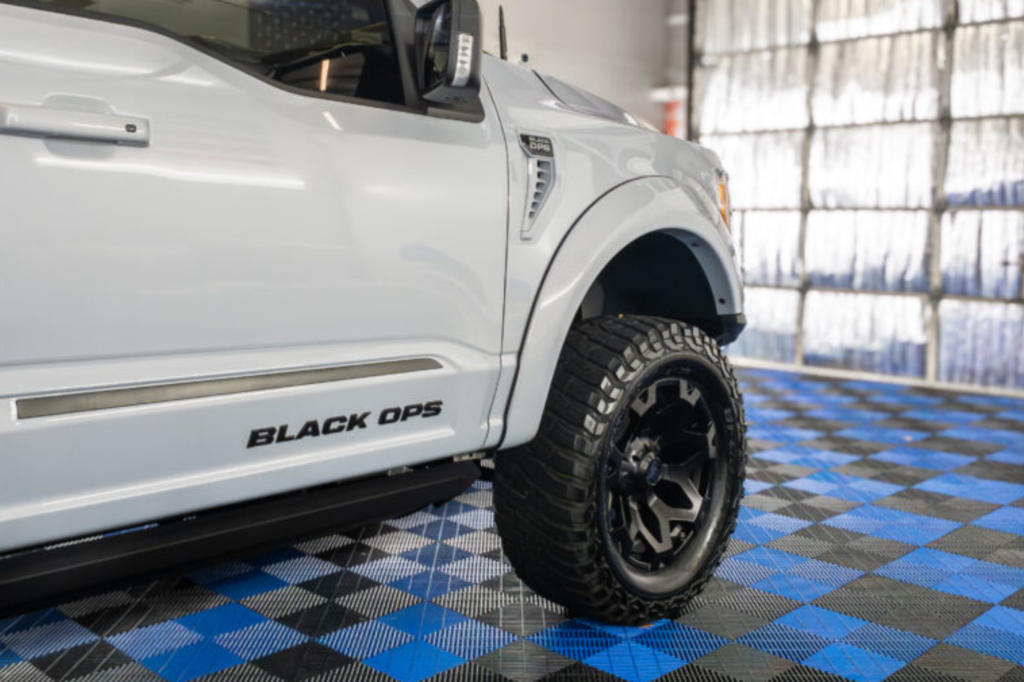
A Systematic Approach to Flood-Damaged Vehicle Recovery
Recovering a flood-damaged vehicle requires more than simply removing visible water. A thorough inspection, proper drying, and careful evaluation of mechanical and electrical components are essential to identifying hidden damage and preventing future problems. Addressing issues early can help reduce repair costs, improve vehicle safety, and increase the chances of a successful restoration. Working methodically ensures that critical systems are assessed before the vehicle is returned to the road.
Why Professional Detailing Matters After a Flood
Even after removing the water, a flooded car may still contain dirt, sediment, and bacteria. Professional car detailing in Sarasota, FL helps clean carpets, seats, and interior surfaces thoroughly. Detailing not only restores the car’s appearance but also minimizes lingering damage caused by moisture and debris.
Many vehicle owners in Sarasota who use car detailing shops notice that a detailed interior helps prevent issues like odors and material deterioration, especially after flooding events.
Another approach is to combine engine and interior care. Choosing car detailing ensures that both hidden and visible areas of your car are restored to safe, functional condition after flood exposure.
In Summary
Flooded cars require immediate attention to prevent extensive damage. Start by ensuring safety, disconnecting the battery, removing water, and drying the interior. Avoid starting the engine until a professional assessment confirms it is safe. Using methods such as our proprietary FloodFix Code ensures that every step is addressed, reducing the risk of long-term damage. For a thorough interior cleaning after a flood, professional car detailing from Sharkey’s Detailing & Tint LLC is recommended.
Contact us today to schedule your service and protect your vehicle.
People Also Ask
Q: Can I drive my car after it floods?
A: No. Driving a flooded car can cause severe damage to the engine and transmission. Ensure it is inspected and dried thoroughly first.
Q: How do I know if my car has water in the engine?
A: Signs include water in the oil (milky appearance), unusual engine noises, and difficulty starting. Professional inspection is recommended.
Q: How long does it take for a flooded car to be safe?
A: Drying the interior and fluids may take several days. Complete inspection and repairs by a professional may take longer, depending on the damage.
Q: Can detailing fix water damage?
A: Detailing cleans sediments and prevents corrosion, but it cannot repair mechanical or electronic issues caused by flooding.